/
CASE STUDIES
/
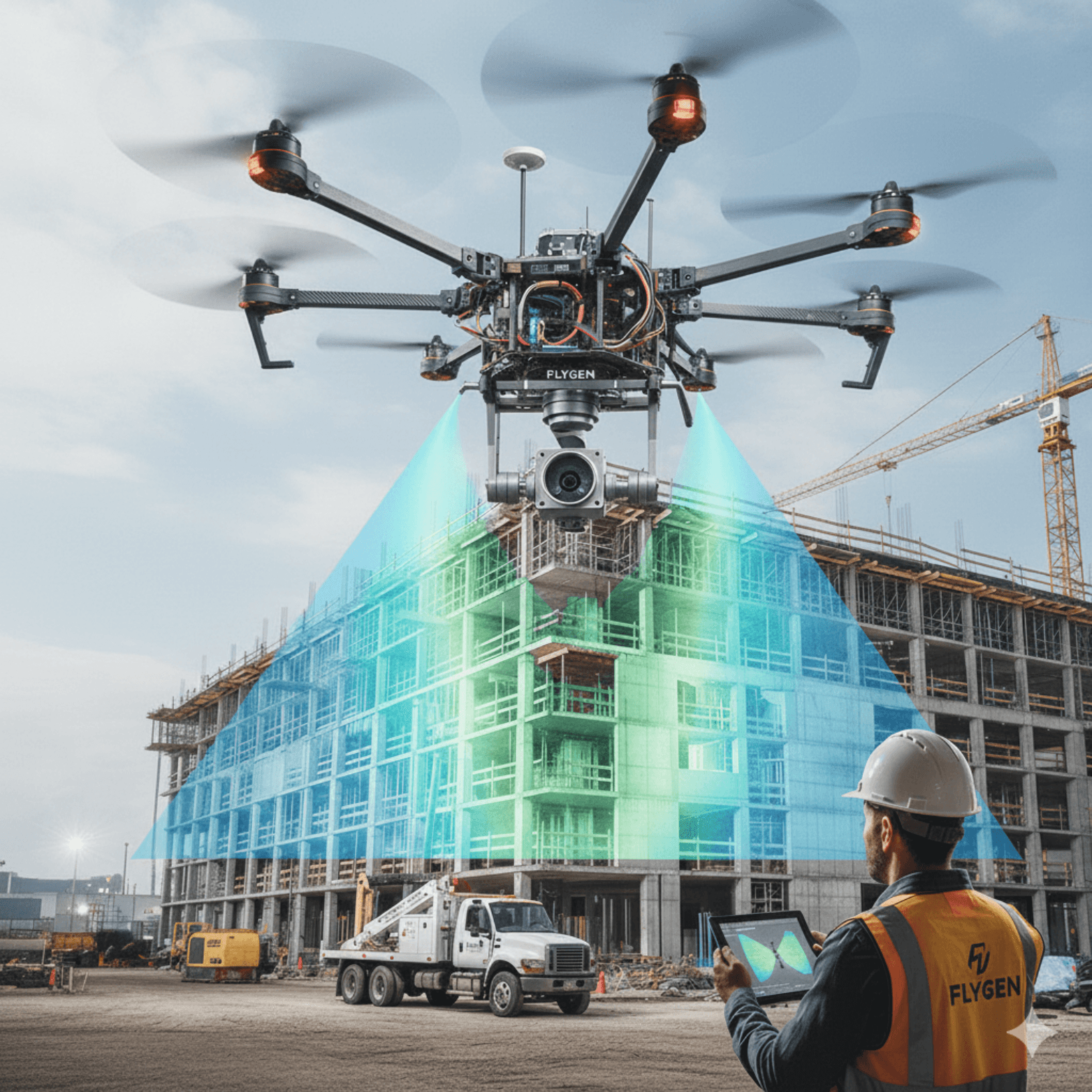
Aerial and Thermal Inspection services
AERIAL & THERMAL INSPECTION
/
SERVICES
Damage and Maintenance Inspection
Infrastructure Visual inspection
High-resolution photo and video reporting
Warehouse and Factory inspections
Roof condition inspections
Building and Facility inspection
Solar panel thermal inspection
Roof Heat Loss Detection
Discovery + Planning
This phase will allow us to inspect the surroundings and draft a plan which would be tailor made just for you!
Execution + Reporting
Here we get going and execute the plan and once successfully complete the operation—we provide you a detailed report on our findings/observations which include thermal visuals for better insight.
What difference does it make in $$$ when using aerial inspection instead of manual inspection?
/
SOLUTIONS
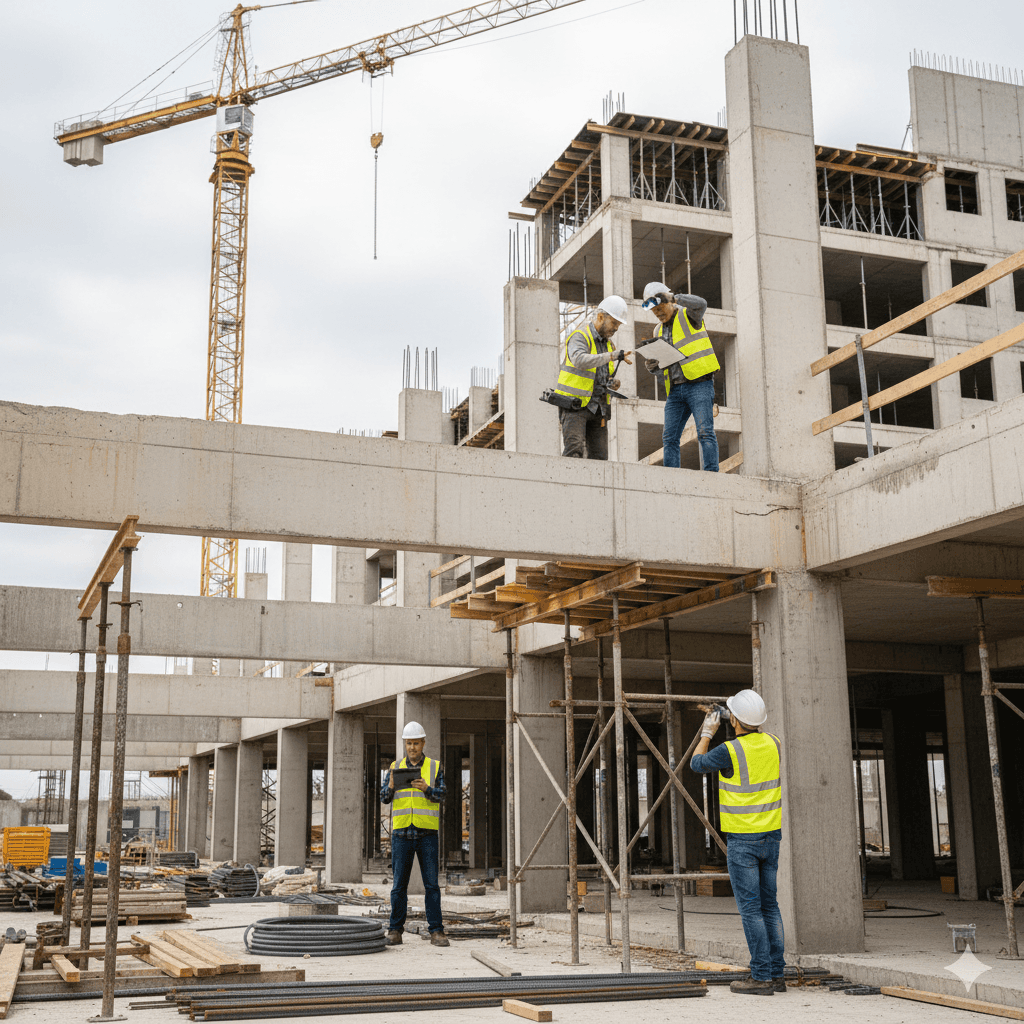
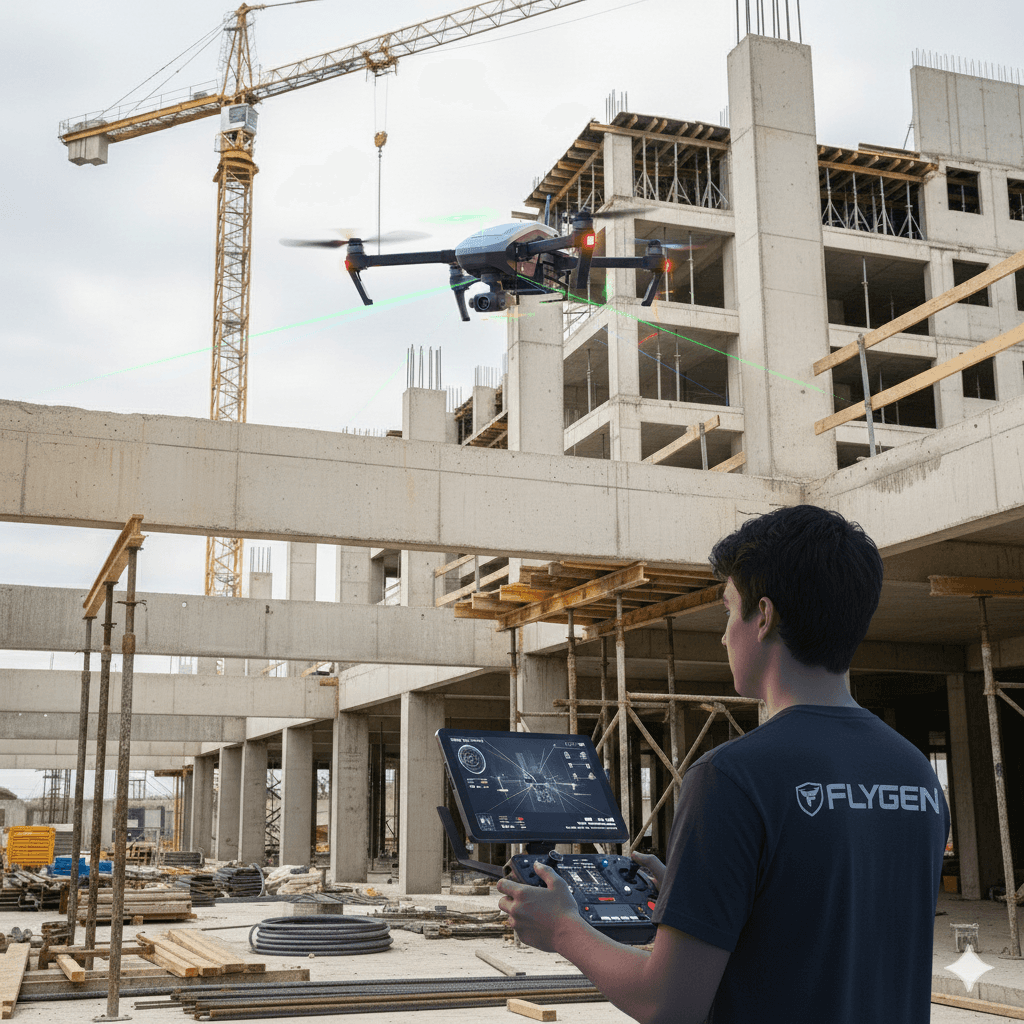
Aerial inspection methods have fundamentally changed how we monitor infrastructure. While the traditional "hands-on" approach still has value for tactile testing (like checking for loose bolts), aerial methods—particularly drones—provide distinct advantages in safety, speed, and data depth.
Comparison: Traditional vs. Drone Inspection
Feature | Traditional Manual Inspection | Drone Inspection Services |
Primary Method | Physical access via ladders, scaffolding, ropes, or "cherry pickers." | Aerial flight using high-resolution cameras and sensors (LiDAR, Thermal). |
Speed | Slow: Can take days or weeks for large or complex facades. | Fast: Can scan an entire high-rise or warehouse roof in hours. |
Safety | High Risk: Involves working at height, fall risks, and confined spaces. | Low Risk: Inspectors stay on the ground; only the hardware is at risk. |
Data Quality | Subjective notes, hand-drawn diagrams, and limited ground photos. | High-res 4K video, thermal maps, and 3D digital twins for precise tracking. |
Accessibility | Limited by physical reach; some areas remain "blind spots." | Unrestricted; easily accesses steep roofs, towers, and under-bridge spans. |
Disruption | Often requires site shutdowns or restricted access for equipment setup. | Minimal disruption; operations usually continue as normal. |
Cost Factor | High Ongoing Cost: Driven by heavy labor hours, equipment rentals (scaffolding), and high insurance premiums. | Higher Upfront / Lower Operational: High initial tech/training investment, but 20–50% cheaper per mission. |
/
RESULTS
Results that speak for themselves
Safer + Faster + Accurate + Reliable = Flygen Solutions
2x
Cost efficient
100%
Safer
10x
Less time consuming